Pudding, when you want it and not as a performance
A dessert can be a tray of cookies, a cake you have made before, or fruit with something cold and sweet. The impressive ones are for days with time. The others are allowed to be small.
Decide how much of a project it is
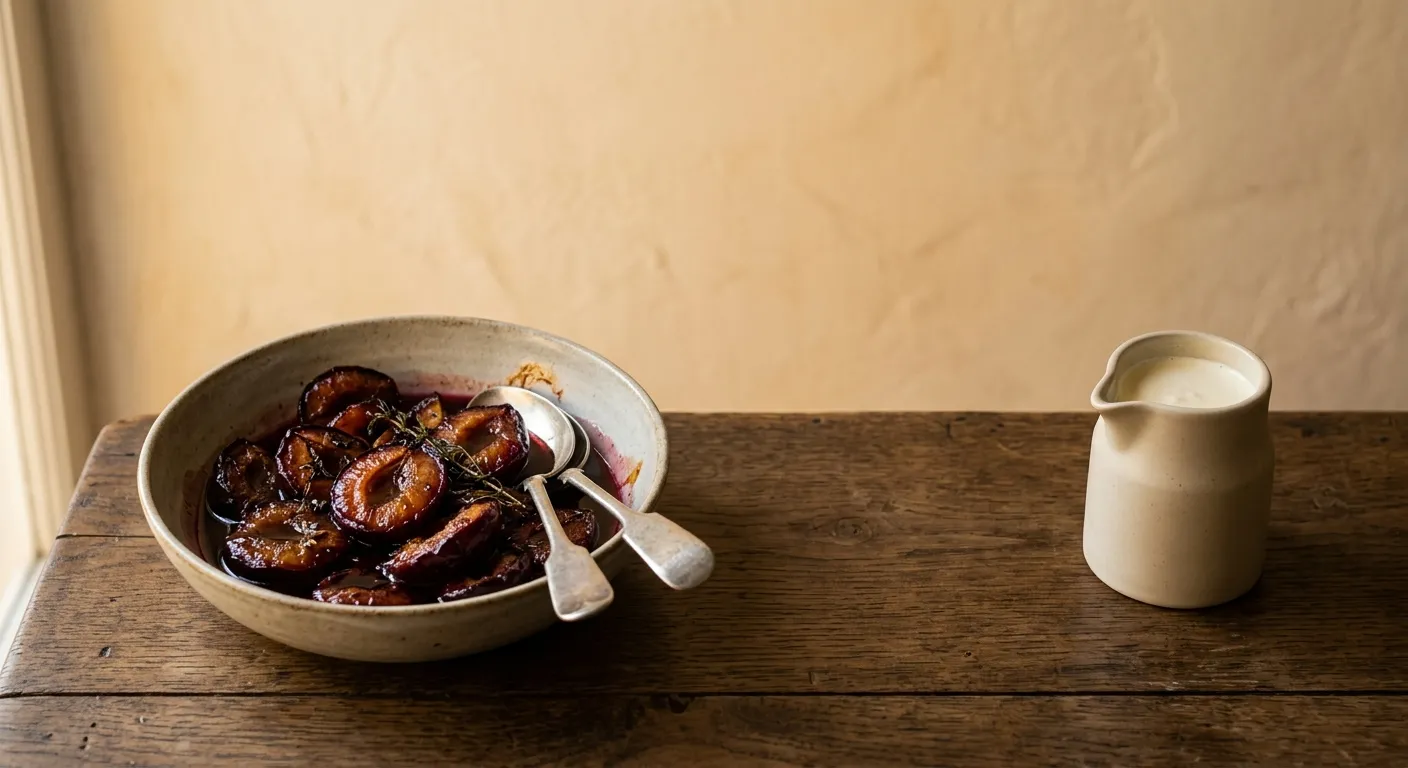
Cookies for a tin, a sponge you know, roasted fruit and cream, yoghurt with honey if the house eats honey. These are desserts. A layered cake with a frosting schedule is a different afternoon. Say which day you are having. A generated recipe should not silently hand you a patisserie project because the word dessert showed up.
Sweetness is a preference. If your household finds most cakes too sweet, say so before you bake, and cut the sugar in the brief rather than poking at the batter.
Temperature and leftovers
Butter should often be soft, and the recipe should say when it must be cold instead. Eggs join the batter better when they are not fridge-cold. Chocolate melts in a bowl you can actually hold. None of this is advanced. It is why the last bake came out oily or split.
Cookies keep in a tin. A cream cake does not; eat it or fridge it and accept the texture tomorrow. Write the quantity for the people who are there. A dessert for twelve, when you are two, becomes breakfast you did not intend, and then waste.
Dietary puddings can still be pudding
Gluten-free, dairy-free, or less sugar, if that is the house rule. Ask for it at the start so the recipe is built that way. A note that says "swap the butter for oil and hope" is how people produce a sad crumble and decide dessert is cancelled.
Fruit in season, with cream or a dairy-free pour, is a complete answer more often than a bake. You do not have to earn pudding with effort. You just have to want it.
Related guides
Get cooking!