Baking is the time to stop improvising
A skillet will forgive you. A cake often will not. Use precise amounts, watch the oven you actually own, and treat a generated bake as a draft until you have made it once.
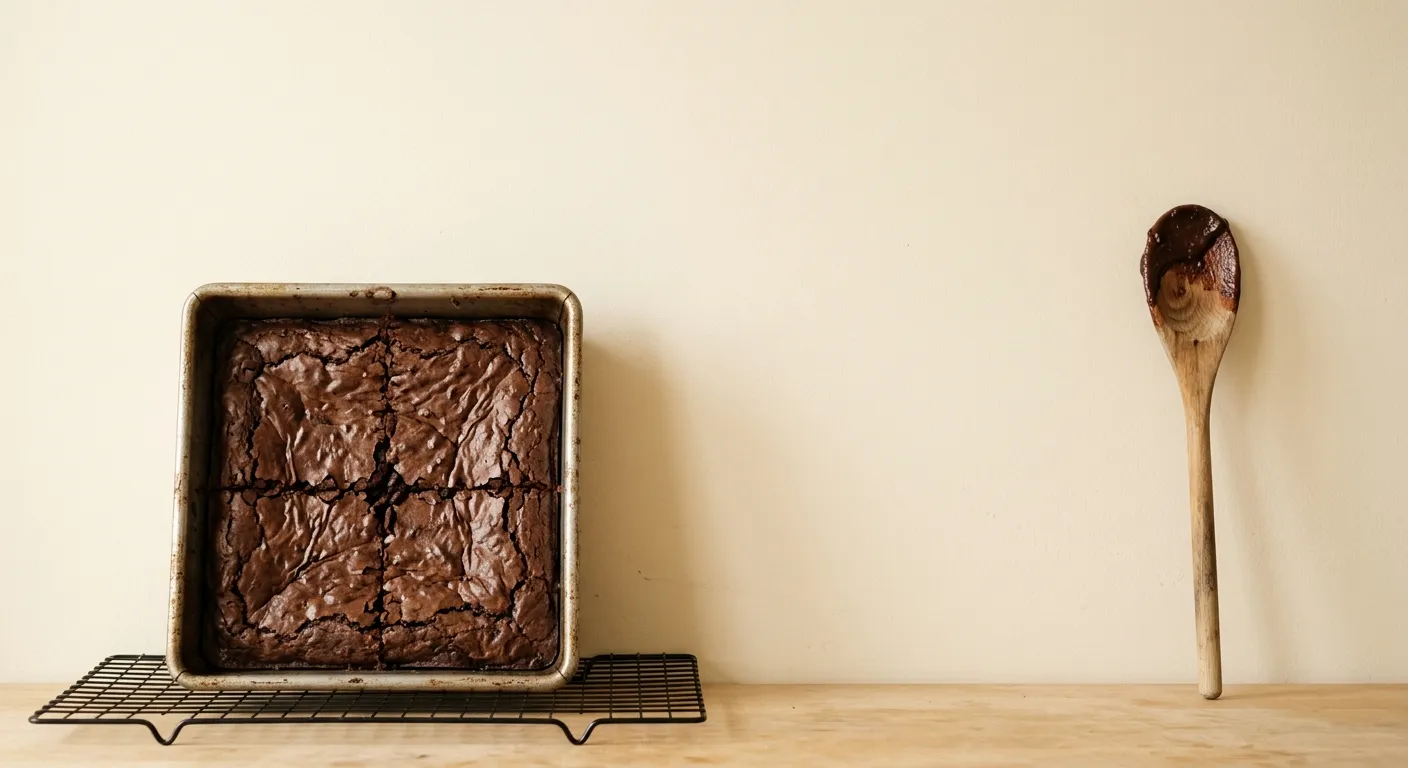
Weigh it
Cups are how brownies come out dry in one kitchen and wet in another. If you can, use grams. If the recipe arrived in cups, ask for it in weights before you start, not halfway through when the flour is already in. Salt, baking powder and the amount of sugar are the lines people halve because they feel virtuous. In a cake, that is a different cake. Decide before you mix.
Altitude, humidity and a fierce oven all move the result. If you live high up, say so. If your oven runs hot, you already know; take a few minutes off and check early. A generated time is a rumour until your oven agrees.
Brownies, cookies, the usual suspects
These are the bakes people actually make. Brownies want melted butter and a slightly underbaked middle if you like them fudgy. Cookies want cold dough if you want them thick, and you should not crowd the tray. Cinnamon rolls are a morning project: the dough needs time, and no prompt will remove that.
Substitutions have maths. Oil for butter changes the crumb. A gluten-free blend is not wheat. Ask for the substitution up front so the liquid can change with it. Do not do it silently in the bowl and hope.
When to ignore the generator
If you have a family recipe that works, keep it. Use the planner to scale the servings or to rewrite the method more clearly, not to "improve" a cake people already love. If a generated formula looks odd — a lot of baking powder, almost no salt, a yeasted dough with no rise time — do not bake it for guests. Look up a known ratio or cook a savoury dinner instead. Confidence in the paragraph is not the same as a tested tin.
Related guides
Get cooking!