Cook what tastes of something this month
Seasonal cooking is mostly a shop that is cheaper and better, not a personality. Tell the planner where you are and what looks good. The week should lean on that, and leave the flown-in berries alone.
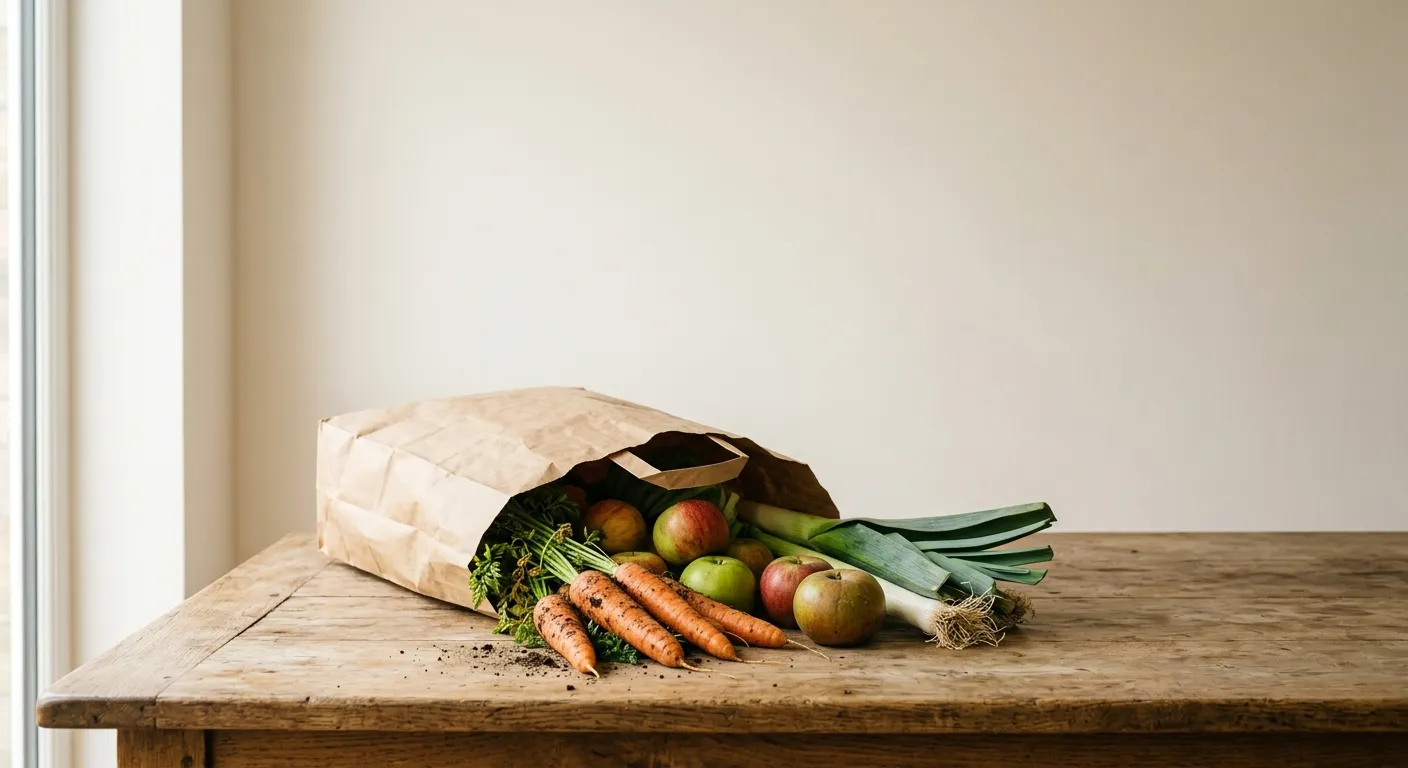
Look at the shop, then tell the planner
You already know, vaguely. The tomatoes are good or they are watery. The squash has appeared. Asparagus costs a silly amount. A seasonal plan starts from that observation, not from a calendar graphic of what a farmer in another country is harvesting.
Say the month and the place if you want a nudge, but override it with what you saw. "Leeks, apples, cheap mince, it is cold" is a better brief than "autumn recipes". The dishes should repeat one or two of those ingredients so you finish the bag.
A glut is a menu, not a crisis
Courgettes in August, windfall apples, a cabbage that looked reasonable and is now enormous. Plan two meals from it and one thing you can put away: a soup in the freezer, apples cooked down with a little sugar, cabbage in a slaw that lasts a couple of days. Storage tips are allowed to be boring. Boring is how food lasts.
Holidays are just a season with guests. A special meal can sit in the same week as ordinary ones. Do not let the planner turn every night into a feast because the calendar says December.
Substitutions when the market disagrees
If a recipe wants a herb that is tired and expensive, swap it for what is bunched and cheap, and say that is what you are doing. Parsley for coriander is not the same dish. It might still be the right dish for your shop.
Budget follows the season more reliably than it follows a "cheap meals" tag. The in-season vegetable, the ordinary cut of meat, the tin of tomatoes. That is the list. The rest is garnish.
Related guides
Get cooking!