A week on paper, before the week starts arguing
Menu planning is deciding early enough that the shop matches the food. Menuistia can fill the dates, keep leftovers in the picture, and turn the result into one list grouped by aisle.
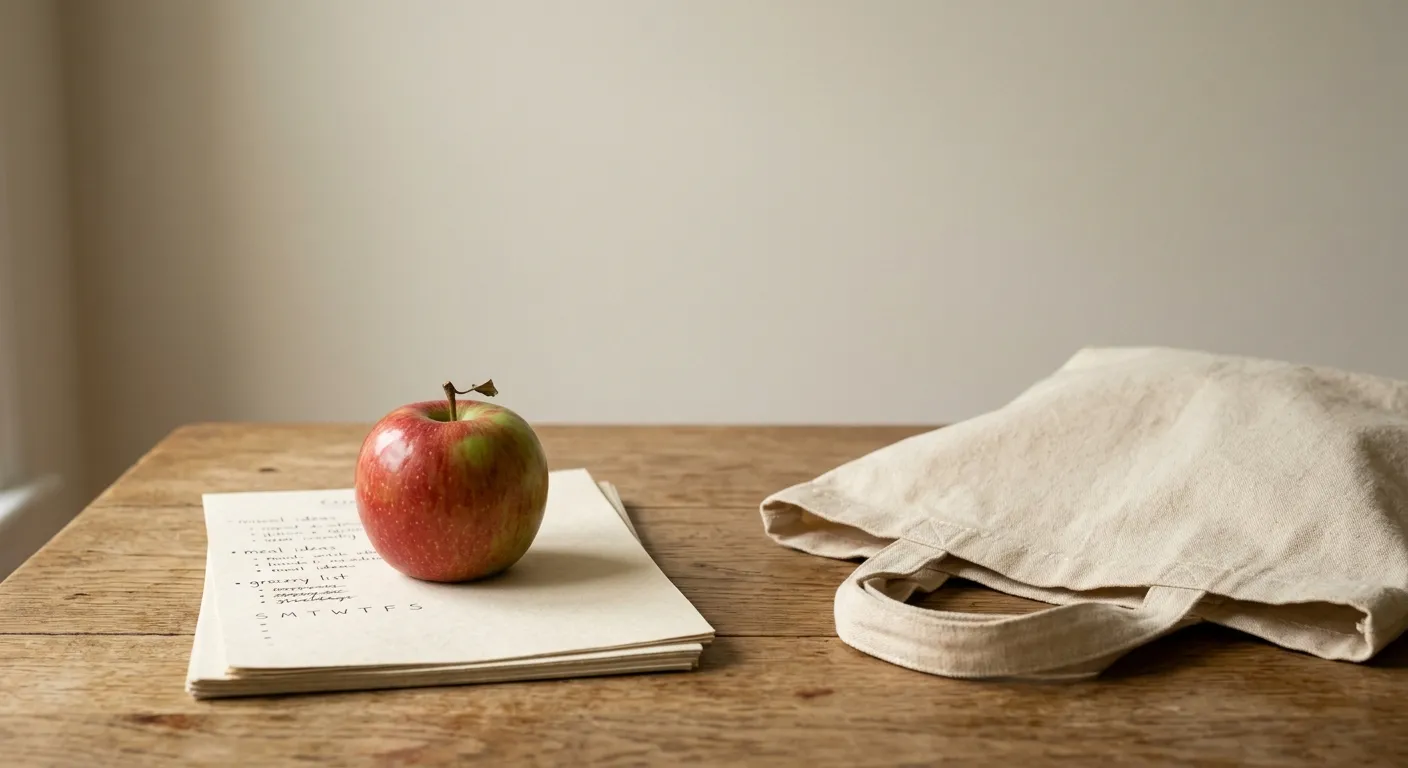
Pick the stretch of days, not a cuisine first
A menu plan is a set of dates. Five dinners, or seven, or just the nights you are home. Choose the kind of cooking those nights can bear: easy, a bit more effort on Sunday, something rapid after football. Cuisine is a seasoning on that, not the structure. "Mediterranean all week" still needs to be shoppable.
The plan should notice leftovers. A roast on Sunday that does not reappear is how you throw away food you paid for. Say you want the chicken used twice. The second meal ought to look like a decision, not like penance.
The list is the test
If the shopping list is longer than the week deserves, the plan is showing off. Grouped by aisle, it should read like a path through the shop: produce, dairy, tins, bread. Quantities for the number of people, not a vague "some".
Cross off what you know is in the house before you go. A plan that ignores the pantry will buy a second bottle of soy sauce and another bag of rice. You can start the plan from a photo of the fridge so the list is the gaps.
Leave one night unplanned on purpose
Someone will be out. Someone will not fancy the stew. A gap is not a failure of the system. It is how the week stays bearable. Fill the other nights properly, shop for those, and keep eggs or beans for the hole.
Recipes and a short cooking guide sit under each day so you are not re-deciding at 6pm. If a day looks like a project and you know you will be late, swap it now, on Sunday, when swapping is cheap.
Related guides
Get cooking!