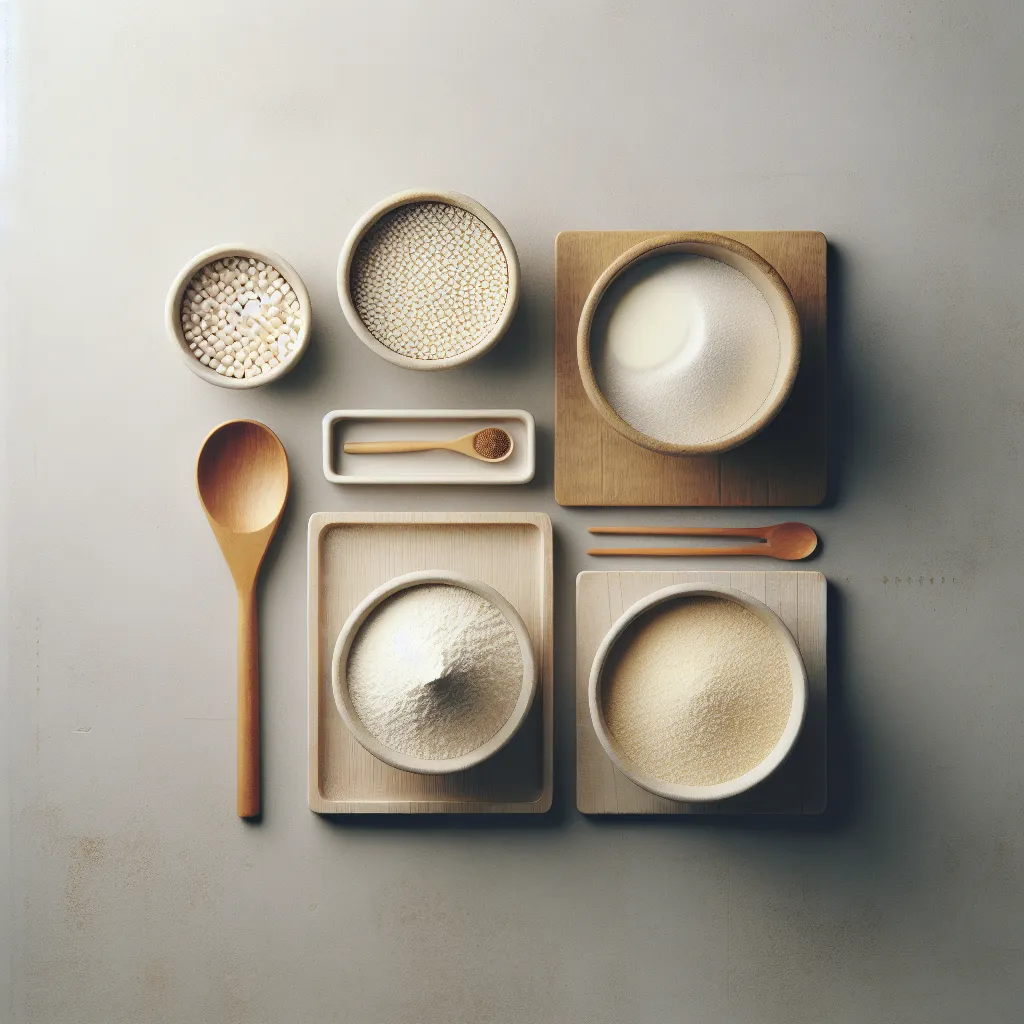
Hey there, fellow food enthusiasts! Ever found yourself in the middle of a recipe, only to discover you're fresh out of corn flour? It's a common kitchen conundrum, but fear not! With a little creativity and some pantry staples, you can easily find a great substitute for corn flour and keep your cooking adventures going. And guess what? These tips pair perfectly with all the delicious and nutritious recipes you can create with Menuistia!
Corn flour is a fantastic ingredient. It's great for everything from crispy fried coatings to light and fluffy baked goods, but it's certainly not the only option for those tasks. So, let's dive into some awesome alternatives that you probably already have in your kitchen.
Top-Notch Corn Flour Replacements:
1. Cornstarch: The Obvious Choice?
First off, let's talk about cornstarch. It's a bit like corn flour's close cousin. While they aren't exactly the same, cornstarch works wonders as a substitute, especially for thickening. Just remember, cornstarch is all starch, it has no flavour so make sure you season your dish well!
- How to Use It: Swap corn flour for cornstarch in a 1:1 ratio. It's great for thickening sauces, soups, or creating a crispy coating for fried dishes.
2. Rice Flour: Sweet & Smooth
Rice flour brings a lovely subtle sweetness to your dishes. It's particularly good for gluten-free baking and works well as a thickening agent. However, it doesn’t provide the same level of crunch as corn flour.
- How to Use It: Use a 2:1 ratio of rice flour to corn flour. This works wonders in muffins, soups, or light sauces.
3. Cornmeal: Embrace the Texture
For a similar flavor profile, cornmeal (also known as maize flour) is your go-to. Though it’s coarser, this gives a great texture to the outer coating of fried foods and works well on toppings. You can blitz it in a food processor for a finer consistency.
- How to Use It: A 1:1 substitution works perfectly for dishes where a little extra texture is welcome, like casseroles or fried chicken.
4. All-Purpose or Whole Wheat Flour: The Classic Switch
These flours are kitchen staples. All-purpose flour won't change the flavor or texture much, while whole wheat flour brings a slightly malty note that can add depth. Just be aware they are not gluten free.
- How to Use It: Use a 2:1 ratio when substituting, and be ready for a little more of a wheat flavor.
5. Self-Rising Flour: The Convenient Alternative
Self-rising flour already has baking powder and salt added, it’s convenient for thickening soups and sauces. Use a 2:1 ratio to substitute cornflour in recipes other than breading, where a 1:1 ratio is perfect
6. Tapioca Flour: The Thickening Specialist
If you need a good thickening agent, tapioca flour is a great choice. It works as a fantastic binder, especially if you don't have corn flour.
- How to Use It: Substitute using a 1:1 ratio when thickening recipes.
7. Masa Harina: The Mexican Marvel
Masa Harina gives you that true corn flavor as it’s ground from corn kernels, and is especially suitable for dishes with a Mexican flavour profile. Use a 1:1 ratio.
8. Rice, Potato, Tapioca or Kuzu Starch: A Starchy Line Up
For thickening sauces and soups, these starches are great replacements for corn flour. Remember to whisk quickly when adding potato starch as it does tend to clump!
- How to Use It: Use these in a 1:1 substitution ratio for best results.
9. Guar Gum: The Light Weight Option
Only a little guar gum is required, but it is a great thickening agent and is also beneficial to gut health. To replace one tbsp of cornflour start with just 1/8th of a teaspoon of guar gum
10. Sorghum Flour: For the Health Conscious
Sorghum is packed with antioxidants, protein, minerals and vitamins. It's best used as a thickening agent and can be substituted in a 1:1 ratio.
11. Ground Flaxseed: The Nutrient Booster
Flaxseed is a really nutritional option, though it does have a slightly bitter taste. For each tbsp of cornflour combine 1 tbsp of ground flaxseed with 2 tbsp of water as a substitute
12. Arrowroot Powder: Another Starch Superstar
Arrowroot is a useful starch with a mild flavor that works wonders as a thickening agent. It's another great choice when you need a last-minute substitute.
- How to Use It: Replace using a 1:1 ratio, and use it in soups, sauces and gravies.
13. White Rice Flour: A Close Cousin
With a high starch content, white rice flour is great as a thickening agent and gives a similar result to corn flour. Just be aware it costs a bit more.
- How to Use It: Use 2 tbsp of white rice flour for every 1 tbsp of cornflour.
14. Cassava Flour: The Whole Root Goodness
This flour uses the whole cassava root and can be substituted in a 1:1 ratio with tapioca flour, although it does thicken a little more.
15. Brown Rice Flour: Healthy Swap
Brown rice flour gives you a similar texture to cornflour, and it also helps retain the vitamins and minerals of the brown rice.
- How to Use It: Substitute using a 1:1 ratio.
16. Potato Flour: Starchy But Thicker
Potato flour, or starch, provides the same thickening properties as cornflour, but it does tend to be thicker in texture.
FAQs about Corn Flour Substitutes
Can I use plain flour instead of corn flour?
Yes, plain flour is a fantastic substitute for all kinds of recipes, from frying to thickening and in baking.
What's the difference between corn flour and corn meal?
Corn flour is made from the whole corn kernel ground into a very fine powder, while cornmeal has a coarser texture.
What can I use instead of cornflour to thicken?
Numerous ingredients can be used to thicken a recipe, these include all of the ones we’ve talked about above.
Is cornflour the same as regular flour?
No, cornflour is made purely from corn kernels, while regular flour comes from processed wheat.
Is there a way to thicken a sauce without using cornstarch?
Absolutely! Cornstarch is just one of many thickening agents available. All the options we've discussed will do a great job, so use whichever you have to hand!
In cookies, what can I use instead of cornstarch?
Many of the substitutes in this article can be used for cookies, such as tapioca flour, arrowroot flour, or sorghum flour.
Your Kitchen, Your Rules
There you have it! A complete guide to the best corn flour substitutes. No more panicking when you're in the middle of a recipe and realize you’re missing an ingredient. Use these easy swaps to make delicious meals and snacks that fit your lifestyle. Remember, healthy cooking is all about enjoying the process and making the most of what you have on hand. So, get creative in the kitchen and use Menuistia to help you plan out some awesome and nutritious meals!
Happy cooking!