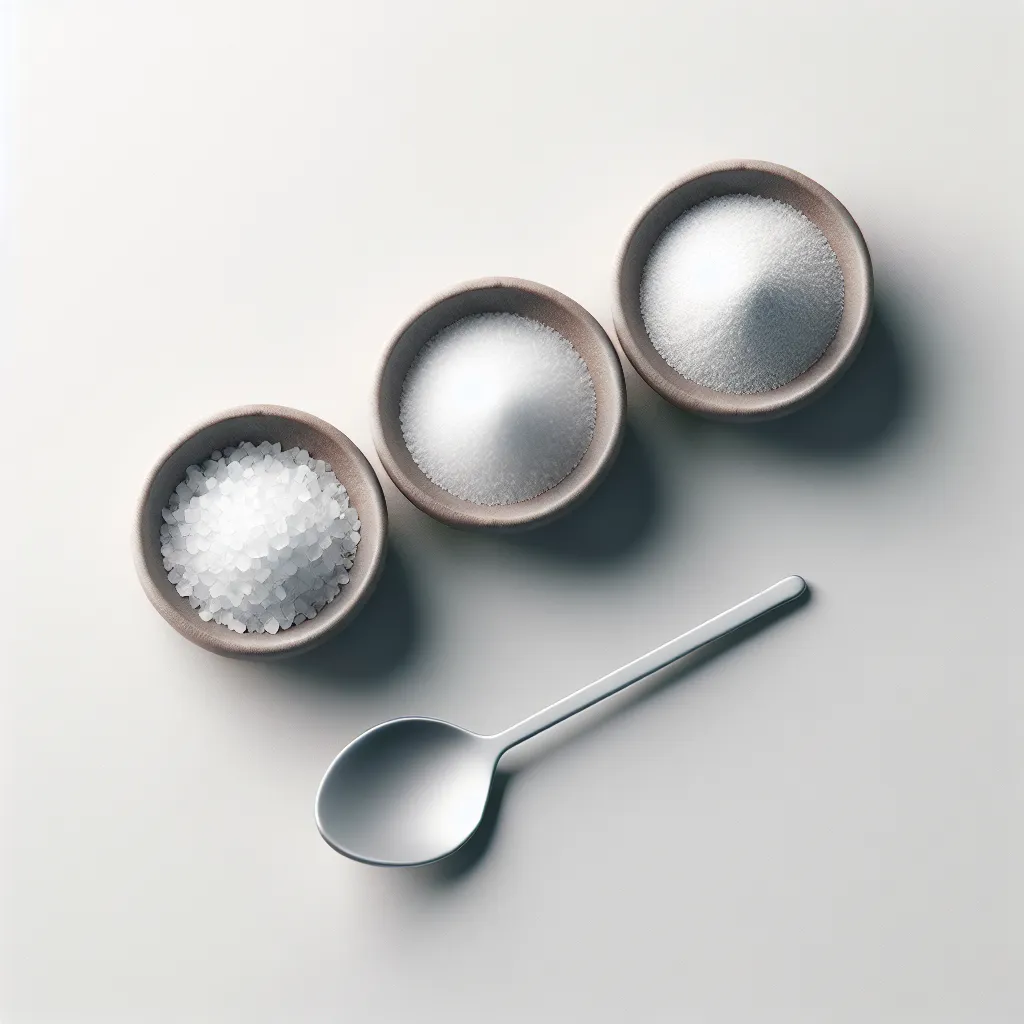
Hey there, fellow foodies! Ever found yourself staring into your pantry, wondering if all salt is created equal? Well, buckle up, because today we're diving deep into the salty sea of salt substitutes! It's time to get a bit adventurous and see what else can bring that oomph to our healthy, nutritious meals.
We all have our go-to salt, that trusty friend we reach for time and again. But did you know that different types of salt have unique personalities? It's not just about the sodium chloride, my friends. We're talking texture, flavour, and how it plays with your food. So, if you're feeling a bit bored with plain old sea salt, let's explore some fantastic alternatives that can spice things up—literally!
Beyond the Usual: Salt Substitutes for the Adventurous Cook
-
Celery Salt: The Herbal Hero
Don't let the name fool you; celery salt is more than just celery flavored. It's a magical mix of saltiness and herbal notes that can elevate your dishes to new heights. Made from the seeds of the celery plant, this vegan-friendly powder is perfect for adding a unique twist. Sprinkle it on salads, veggies, or use it to add a dash of salt and celery flavor to your favorite dishes. It's also a fantastic secret ingredient in spice mixes. Get ready to explore how well this pairs with hearty foods, use it in combination with other spices to add an extra layer to your cooking.
-
Hawaiian Red Salt: Earthy Elegance
If you're looking for a substitute that brings both flavor and flair, Hawaiian red salt is your answer. It's got this deep, earthy taste with a satisfying crunch that’s just like sea salt, only way more interesting. This is all thanks to the volcanic mud of Hawaii, which adds a lovely iron oxide kick. While it may not have the same taste as kosher salt, the addition of this salt will impart an earthy, deep flavour to your cuisine. It’s great for those looking to level up their cooking!
-
Kosher Salt: The Kitchen Staple
Now, if you’re looking for something a little more traditional, kosher salt is a fantastic option. Yes, it’s a workhorse in many recipes, but it's not as simple as it seems. It is not quite as nutritious as sea salt, and may take a little longer to dissolve in liquids. However it's a great choice if you don't want the added flavours that other salts have. Remember, a quarter cup of kosher salt is about one teaspoon of fine sea salt. Always check the labels, my friends, and adjust accordingly.
-
Rock Salt: The Budget-Friendly Buddy
Rock salt, the humble culinary salt, is another great alternative. It comes in those big, chunky crystals that might make you think it’s all about big flavours, but it’s actually pretty mellow. It is very cheap and widely available, which means you can experiment with it without worry. Try it in anything from ice cream to those crispy baked veggie dishes. The purest rock salt will be colourless, however, you might find other varieties like Himalayan pink salt or Hawaiian red salt, which both have additions of colour and taste.
Tips for Salt Swapping Like a Pro
Switching salts might seem like a simple swap, but here are a few tips to keep in mind:
- Flake it for Finishing: Big, flaky salt is your best friend when it comes to finishing a dish. These will add an excellent textural element, they will dissolve slowly. Great to sprinkle over a dish just before serving.
- Fine is Fine for Baking: When you’re baking, you want salts that dissolve quick. Think fine sea salt or table salt, they blend nicely into your batters.
- Table vs. Kosher: If your recipe calls for Diamond Crystal kosher salt, use half the amount of table salt. And watch out for metallic flavours. This is not a perfect substitute, but a good alternative if you're in a pinch.
- Time for the Big Guns: Bigger flakes take longer to dissolve, so give them some extra time to work their magic.
The Science of Saltiness: It’s All About the Crystals
Different brands create different sized crystals, which impacts how much salt you get in a teaspoon. For example, Diamond Crystal kosher salt has larger crystals, so a teaspoon weighs less (around 3 grams) than a teaspoon of Morton kosher salt (about 5 grams). Meanwhile, a teaspoon of Morton table salt is about 7 grams. Even though 2 grams may not seem like much, it can be as much as 12 tsp of salt. So, it’s all about knowing your brand and adjusting your measurements.
Don't be afraid to experiment and see what works best for your recipes. Keep your salts in airtight containers to preserve their texture and flavors. Try glass jars over plastic for storage if you're storing delicate salts, you won't need to worry about refined salts, as they contain anti-caking ingredients.
Fine Sea Salt vs. Table Salt
- Taste, texture, and processing are the key differences between sea salt and table salt. Table salt is usually iodized and processed to remove other minerals.
- Sea salt comes from evaporated seawater and has more trace minerals and less processing. These minerals add flavour and colour to the salt. Remember, both table and sea salt have the same amount of sodium by weight, so don’t overdo it!
Himalayan Salt: A Pink Perspective
While we're on the topic, let's talk about Himalayan salt. It's mined in Pakistan and has a lovely pink hue from iron oxide. It has some trace minerals and may have a bit less sodium than table salt, but these benefits are not scientifically proven. Remember that it does not contain added iodine, so if that's an issue, you may need to add iodine via other sources.
How to Use Fine Sea Salt
Here's how to make the most of fine sea salt in your cooking:
- Use it in your pasta and potato boiling water.
- Season your meats and veggies before cooking.
- Add it to homemade seasonings and marinades.
- Use it to form batters and bases, from breads to soups.
- Remove moisture from foods (like zucchini).
- Don't forget your cocktails! Sea salt can make some amazing drinks.
Final Thoughts
So there you have it—a salty journey through the world of salt substitutes! Remember, the best salt for you is the one that makes your tastebuds dance. And for all of your healthy and nutritious meal creations, try using Menuistia to create and plan your meals.
Happy cooking! And remember, a pinch of salt can make all the difference!