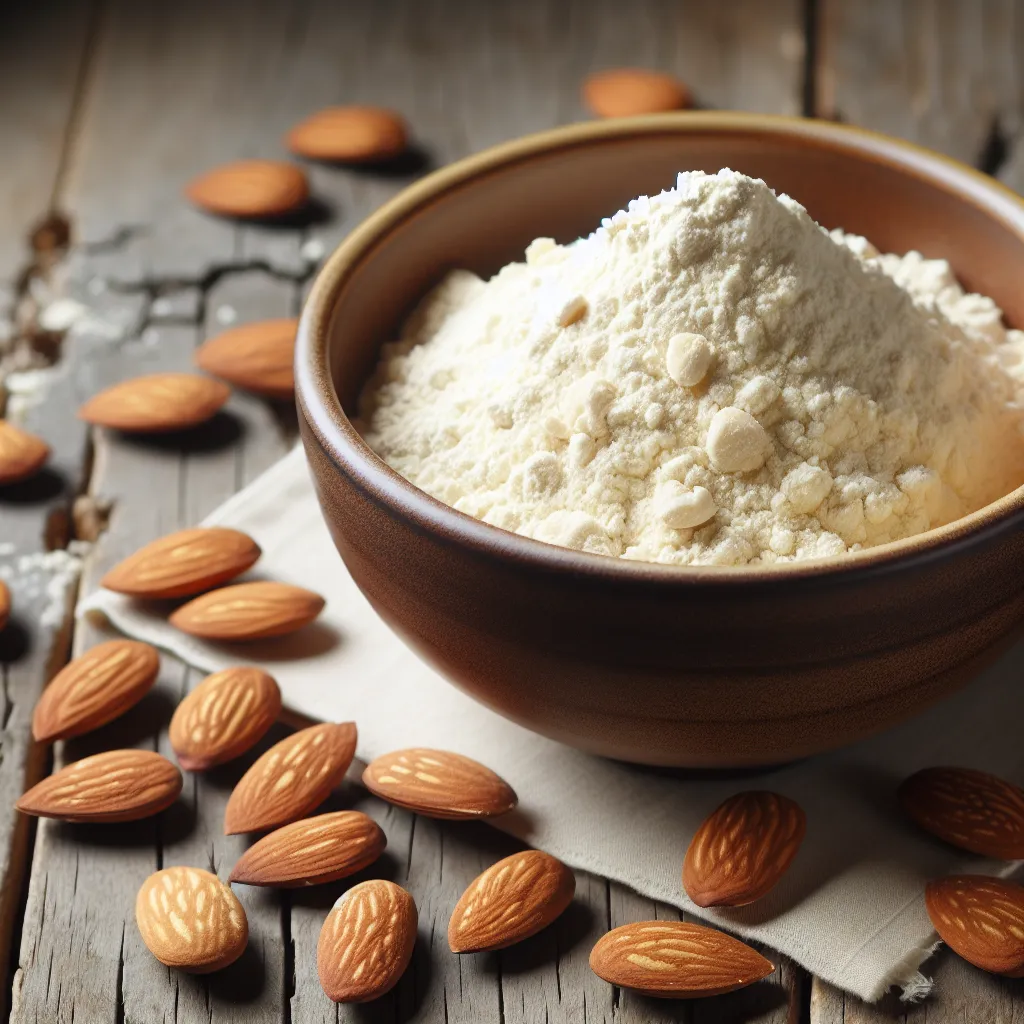
Hey there, fellow food adventurers! Ever felt a twinge of guilt when tossing out the leftover almond pulp after making your own almond milk? Well, fret no more! Today, we’re diving into a super fun, zero-waste kitchen hack that’ll turn that pulp into something amazing: homemade almond flour!
The Magic of Leftovers
Let's be honest, almonds aren't cheap, so it makes perfect sense to use every bit. Making your own almond flour is like getting a fantastic two-for-one deal. It's also a fantastic way to reduce food waste and embrace a more sustainable kitchen. Think of the planet and your wallet!
From Pulp to Powder: It's Easier Than You Think!
So, how do we do it? You'll need an oven, a baking tray, and either a high-speed blender or, even better, a coffee/nut grinder. A coffee or nut grinder is your best friend here, as it’ll give you that super fine texture that shop-bought almond flour has. A blender will work, but it will give you a slightly coarser result—still great for baking, though!
The Process, Step-by-Step
- Dry It Out: Spread your wet almond pulp on a baking tray lined with parchment paper. Pop it into a preheated oven at a low temperature (around 210°F or 100°C). This is key! You don't want to cook it, just dry it.
- Patience is a Virtue: Give it about 1 to 1.5 hours to dry completely. Stir every half hour to ensure it dries evenly. The aim is for the pulp to be completely dry to the touch. Don't worry about a few clumps, the next step will sort them out.
- Grind Time: Once completely dry, transfer the pulp to your nut grinder or blender. Grind until you reach a fine, flour-like consistency. If using a blender, you might need to stop and shake it a bit to make sure everything gets evenly ground.
- Store and Enjoy: Store your fresh homemade almond flour in an airtight container in a cool, dark place. It should last for several weeks if completely dried out. You can even store it in the fridge to help prolong its freshness.
Beyond the Basics: Uses for Your Almond Flour
What can you do with your newly made almond flour? So much! It’s a great gluten-free alternative for:
- Vegan Pancakes and Waffles - Add a lovely nutty taste to your weekend brunch favorites!
- Healthy Cookies - A great base for healthier cookies, adding a lovely texture and nutty flavor.
- Cakes and Muffins - Gives a great moist and light texture to cakes.
- Thicken Soups and Sauces - A little bit goes a long way.
Tips for Success
- Dry it well: Make sure your almond pulp is completely dry before grinding. This ensures your flour doesn’t clump. If the pulp is still wet, the flour will not be as fine.
- Grind in batches: If you have a lot of pulp, grind it in smaller batches to make sure everything is evenly ground.
- Sieve for extra fineness: If you want a super fine texture for things like delicate cakes, you can sift your almond flour after grinding.
Let's Get Baking!
There you have it! A simple, eco-friendly, and healthy way to use almond pulp. You can use this almond flour as a base for many recipes. Get creative, and let us know how your almond flour adventure turns out! Happy baking!